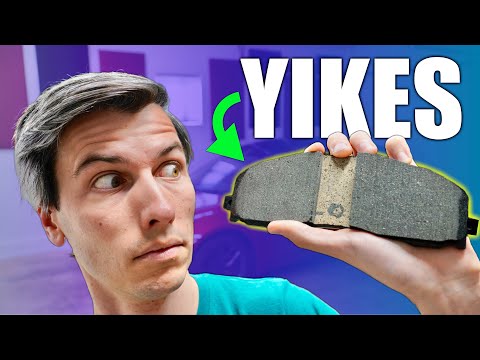
Let’s peel back the friction material on different aftermarket brake pads!
We’ll examine five different brake pads to see how they differ internally.
Sponsored By NRS Brakes –
There are four fundamental elements of brake pad design that play a critical role in brake functionality and safety. Rust protection for the backing plate, how you attach the friction material to the backing plate, the flatness of the backing plate, and the tolerances of the abutment areas, ensuring the pads slide smoothly within the caliper.
In this video, we’re focusing on just one aspect, the attachment of the friction material to the backing plate. We’ll inspect five different brake pads: one original equipment, one from NRS Brakes, and three other aftermarket companies. You’ll very clearly see the original equipment pads use mechanical attachment, as does NRS, yet two of the aftermarket companies do not.
Mechanical attachment uses hooks to ensure a very secure bond between the friction material and the backing plate, which is especially important for applications that see high heat. Heat can break down adhesives, whereas the mechanical attachment will remain strong. Yes, you can buy brake pads designed for the exact same vehicle, without ever knowing that they don’t feature the technology that the original equipment pads specify.
Related Content:
Ultimate Brake Pad Test –
Don’t forget to check out my other pages below!
Instagram:
Facebook:
Twitter:
EE Extra:
Owners of older vehicles usually don’t have a choice, the OEM no longer provides repair / maintenance parts. My vehicle is 26 years old, easy to work on, but no OEM support.
Another great video.. I’m in the auto business for over 42 years.. It absolutely blows my mind that people are driving a 2+ ton vehicles.. They load them up and drive like idiots. And yet when they are at the shop and you offer 3 different levels of brakes and price range,, they always insist on the cheapest.. The car is worth anywhere from 5 to 100,000 $ and it’s the cheapest insurance.. but nope put the cheapest brakes. And what’s even scarier is the locations, if you live in mountainous regions or cold salty areas, you would think you would install the best.. price difference is no more then 100 $!!!!! MAX!!! And then you have partially seized calipers, seized pins,, and never follow brakes flush recommended schedules..
By the time your pads are that hot, wouldn’t you warp your rotors and want to replace your brakes anyways?
You gotta love the knuckleheads in this comments section that are wholeheartedly defending the cheapie garbage they bought from Temu and AliExpress 🤣
Not much value if no one knows who you are talking about.